Created 2009.
Acne is a follicular disorder that mainly affects adolescents but may persist or even become more severe in adulthood. Most, but not all, acne patients have oily skin (seborrhoea).
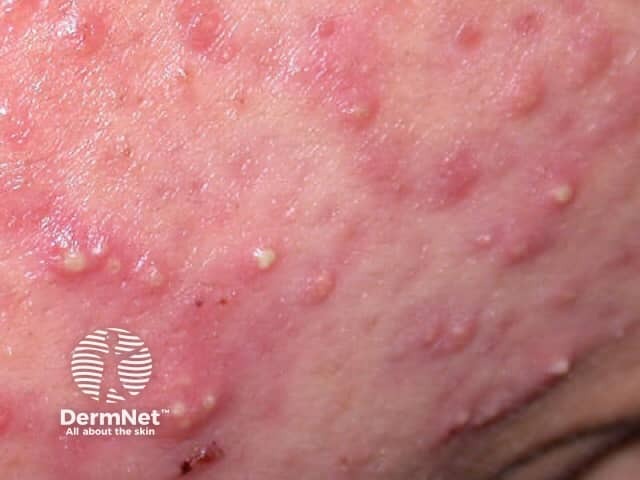
Usually several types of acne spots appear on the face, but they also may arise on the chest, back and sometimes even more extensively.
Non-inflammatory lesions:
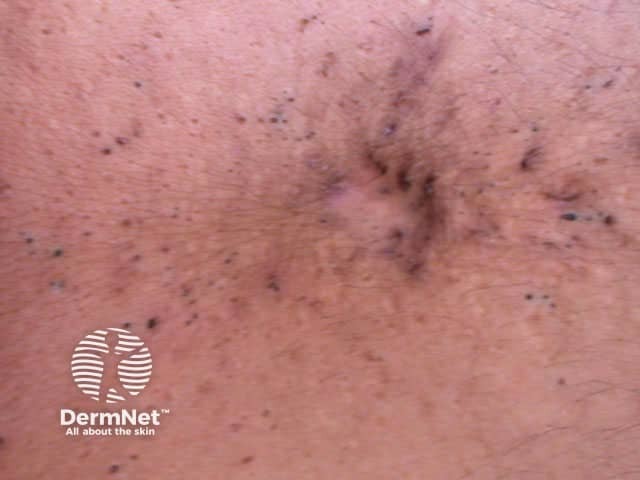
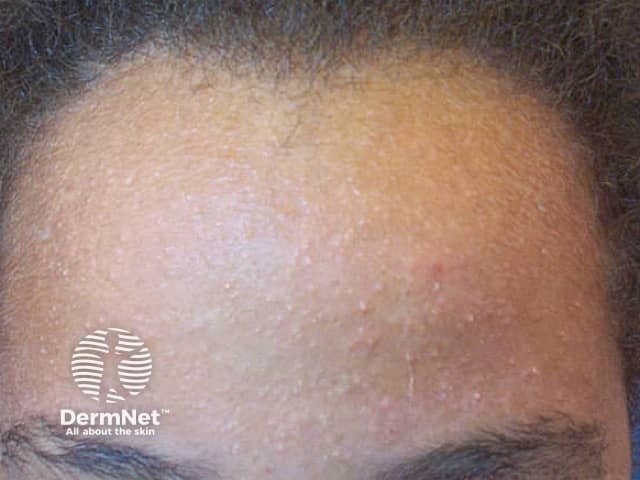
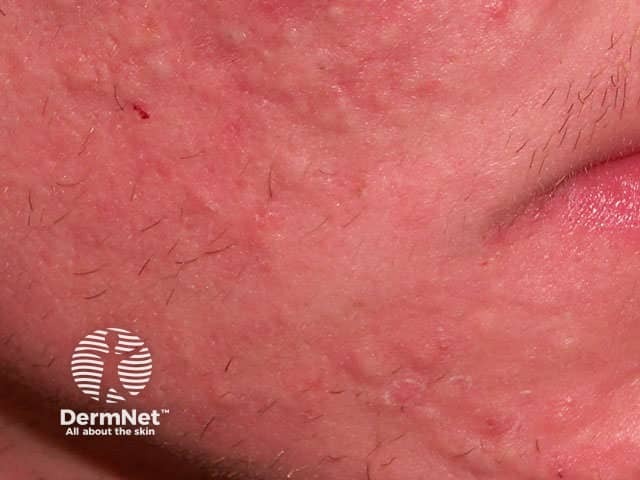
Inflammatory lesions:
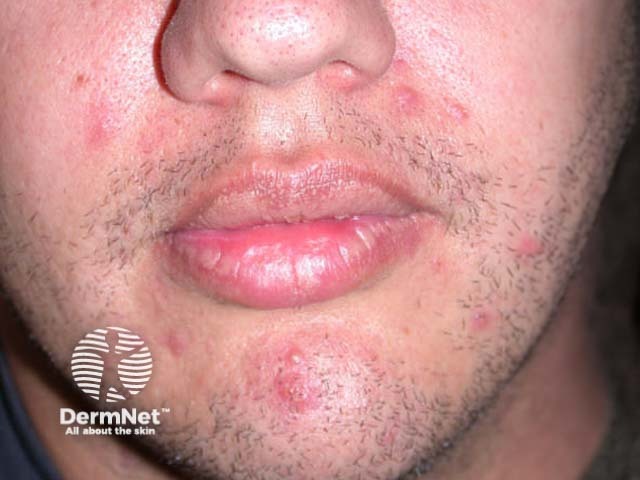
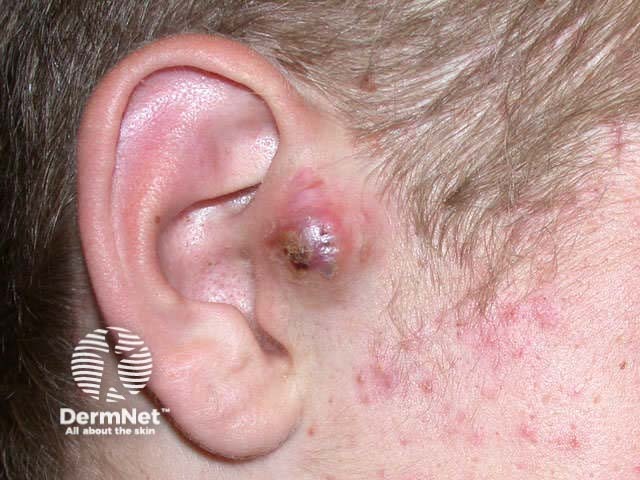
Secondary lesions:
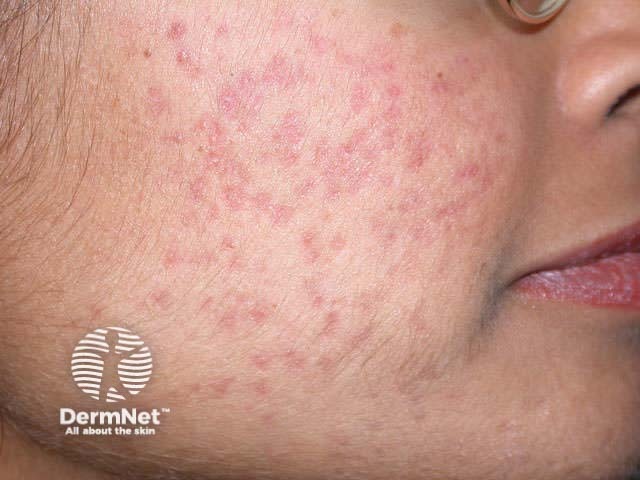
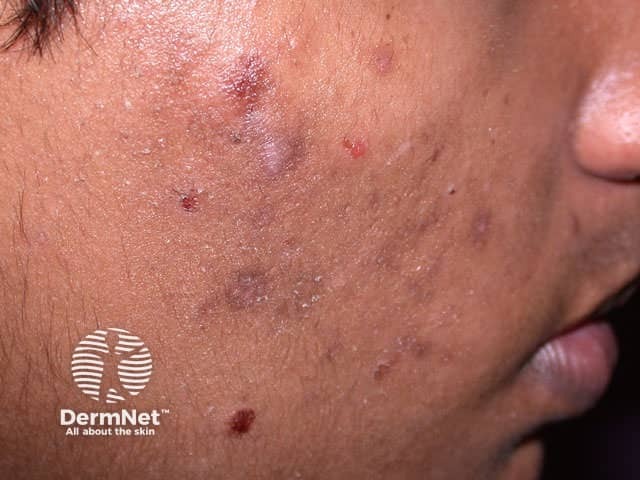
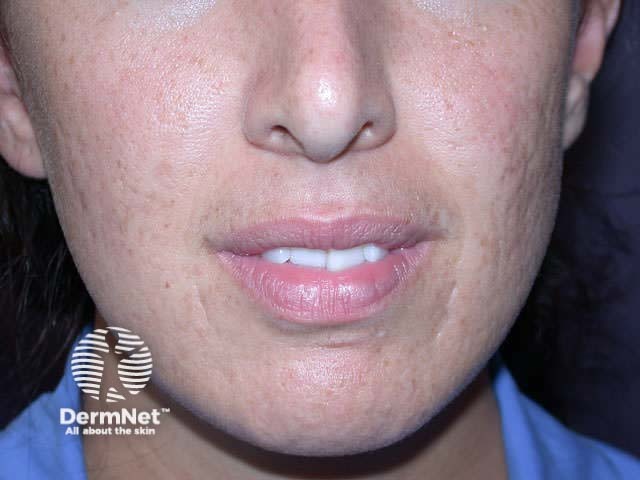
The primary lesion of acne is the comedone, a follicular plug of sebum and keratin.
Sebaceous glands are larger and most numerous on the acne-prone sites i.e. mid-back, forehead and chin. They are also numerous in the ear canal and around the genitals.
Sebum is a complex and variable mixture of lipids including:
Triglycerides produced by sebaceous glands are broken down by bacterial lipases in the sebaceous duct to form free fatty acids.
Sebum has the following functions:
Sebaceous gland cells are stimulated to produce more sebum by androgens. Type 1 5-a reductase in the skin converts less active androgens into testosterone and 5-a testosterone (DHT).
In a fetus, the sebaceous product is a waxy protective layer, vernix caseosa. For 3 to 6 months after birth, sebum resembles that of an adult then it reduces in amount and wax content until the inevitable rise at puberty. In females, oil production is slightly greater in the second half of the menstrual cycle. After the mid-20's, sebum production declines, particularly after the menopause in females.
Pituitary, adrenal, ovarian or testicular disorders may increase or reduce sebum;
Inflammatory mediators include:
Rupture of the duct causes a foreign body granulomatous reaction and releases free fatty acids and sebum into the dermis.
Comedones often arise on the forehead and chin. Comedonal acne may be aggravated by:
It may take several months for significant improvement. Suitable topical agents include:
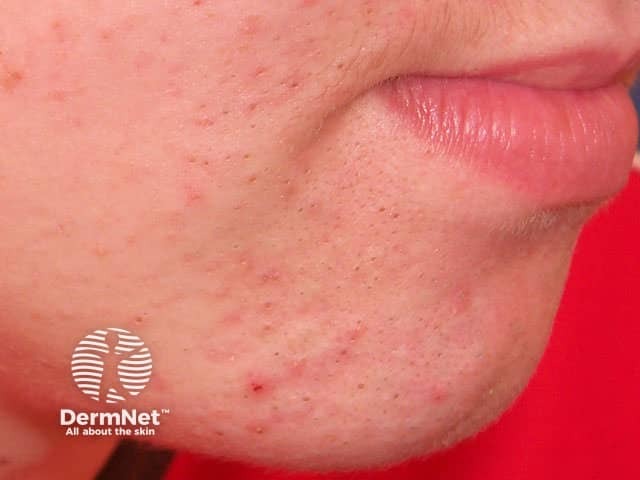
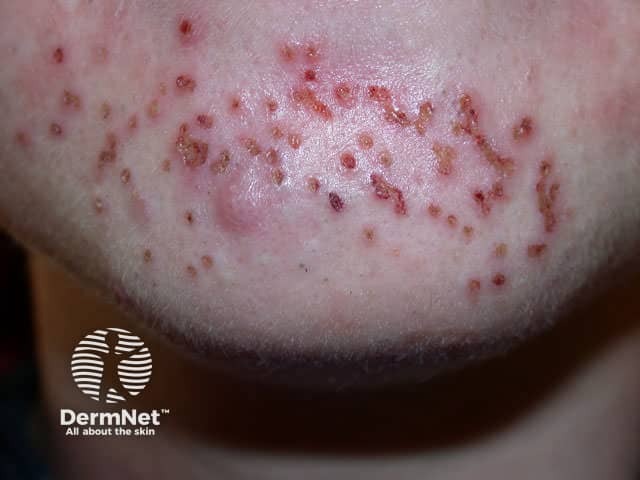
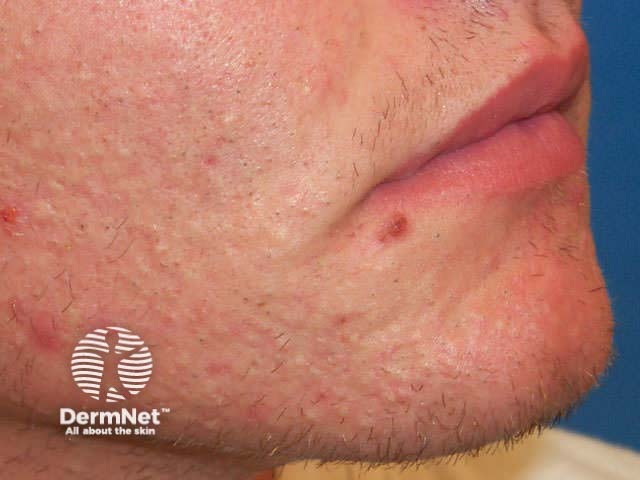
Antibiotics are not usually very effective for this pattern of acne. Persistent or unresponsive comedonal acne warrants referral to a dermatologist for oral isotretinoin. Comedones may also be removed by electrosurgery or microdermabrasion.
Acne vulgaris refers to the common presentation of comedones and superficial inflammatory lesions (papules and pustules). Individual spots last up to two or three weeks.
Acne may be considered mild, moderate or severe. Comedones and inflammatory lesions are usually considered separately. The more complex Leeds' grading scale (1 to 12) compares inflammatory lesions with standard photographs.
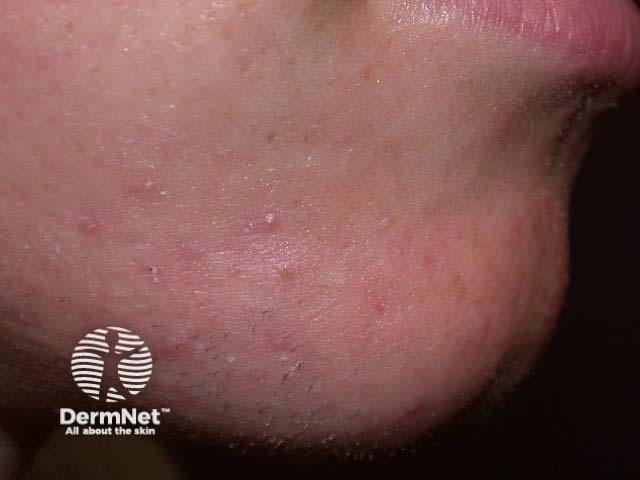
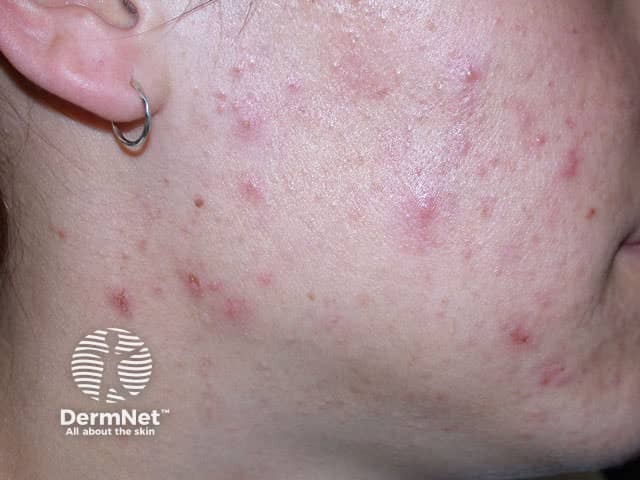
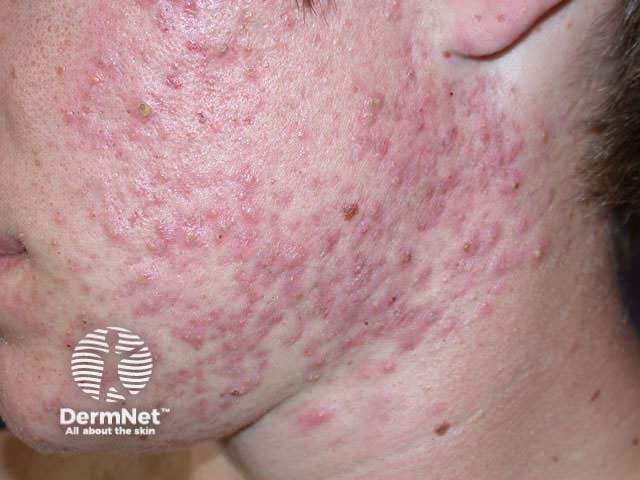
Acne severity depends on:
Despite popular belief, dietary factors are rarely important. High dairy intake may affect some individuals, possibly because of the hormones found in milk. High glycaemic index foods have also been blamed. The evidence is weak.
Mild acne vulgaris should be treated with topical agents (see comedonal acne). Topical antibiotics may be added but should not be used alone because of the risk of inducing resistant organisms. Twice weekly blue light treatment may also be helpful.
Moderate acne vulgaris should be treated with topical comedolytic agents and anti-inflammatory oral antibiotics (tetracycline or one of its derivatives, or a macrolide). Reduce the risk of inducing P. acnes antibiotic resistance; address compliance issues, and combine with topical keratolytics. Do not use topical antibiotics at the same time as oral antibiotics. There is rarely benefit from switching from one antibiotic to another; the chosen drug may be required for 6 months or longer.
In females with no history of or risk factors for thromboembolic disease, the combined oral contraceptive pill is useful, especially those containing progesterones with minimal androgen effect or that are antiandrogenic. Where oestrogens are contraindicated, spironolactone or low dose corticosteroids may be warranted particularly if there is adrenal hyperandrogenism.
Ethinyl oestrodiol / cyproterone acetate can be used for polycystic ovarian syndrome and resistant acne but compared with other so-called second generation pills may have an increased risk of thromboembolic disease. Newer antiandrogenic progesterones such as drospirinone or denogest do not appear to have this increased risk.
Oral isotretinoin should be considered for patients with long-standing acne, acne that resists treatment or recurs rapidly on discontinuing effective treatment. In New Zealand, oral isotretinoin requires Special Authority application for funding by PHARMAC, and restrictions apply.
Infantile acne generally affects the cheeks, and sometimes the forehead and chin of newborn babies. It is more common in boys and is usually mild. In most children it settles down within a few months but they may develop troublesome acne at puberty. The cause is thought to be fetal hormones.
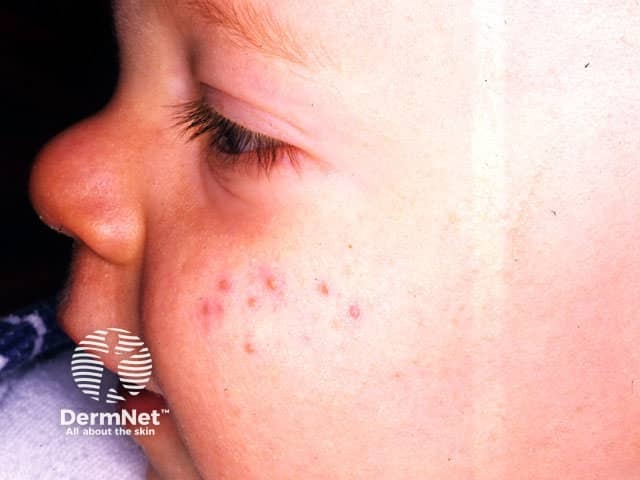
Neonatal cephalic pustulosis (previously known as ‘neonatal acne’) is due to malassezia proliferation. Tiny papules and pustules erupt on the face and upper trunk of healthy young babies. The lesions persist for days to weeks and generally resolve without treatment. There are no comedones.
Treatment is usually with topical agents such as benzoyl peroxide or erythromycin gel. Sometimes, oral erythromycin or isotretinoin may be required. NOTE: tetracycline antibiotics should not used because they may cause yellow staining of the developing permanent teeth.
Nodulocystic acne is a severe form of acne affecting the face, chest and back. It is characterised by multiple inflamed and uninflamed nodules and scarring. It is called acne conglobata when there are draining sinuses. It is more common in males. It is known as acne conglobata when there are interconnected abscesses and sinuses; these can cause very severe hypertrophic and atrophic scars.
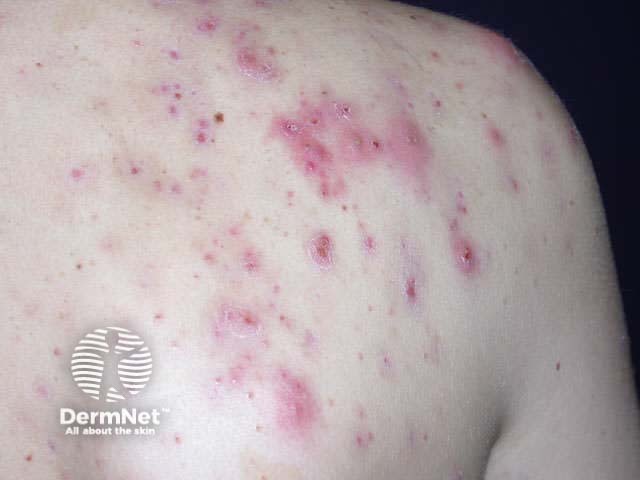
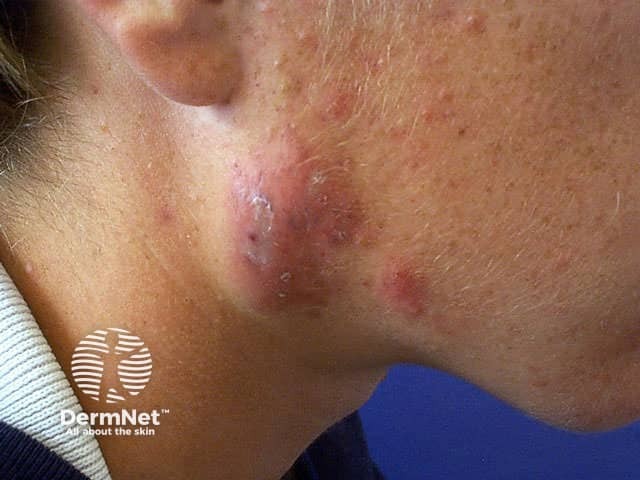
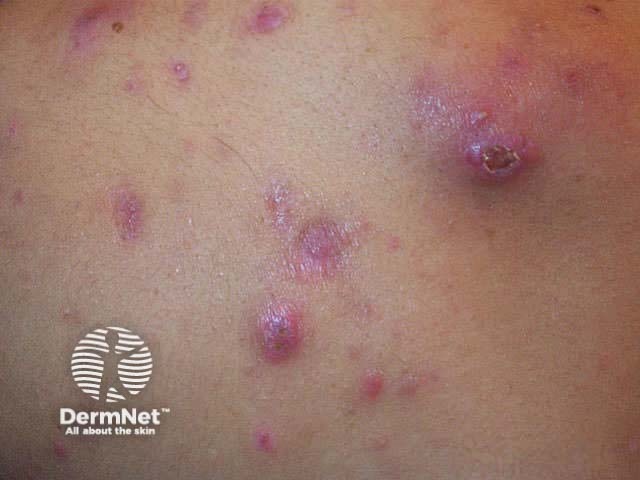
Patients with nodulocystic acne should consult a dermatologist as management may be tricky. While waiting to be seen, they should receive an oral antibiotic. The recommended treatment is oral isotretinoin, which should be commenced early to prevent scarring. The treatment is required for at least five months, and further courses are sometimes necessary.
When isotretinoin is unavailable or unsuitable, systemic antibiotics, and in women, hormonal therapy, may also be helpful. Topical treatment is usually ineffective for the nodules but topical retinoid and topical benzoyl peroxide should be prescribed for the superficial lesions. Individual cysts may shrink with intralesional injections with 2mg triamcinolone acetonide.
Acne fulminans is a rare and very severe form of acne conglobata associated with systemic symptoms. It nearly always affects males. It is characterised by:
It is thought to be due to hypersensitivity to P. acnes. Although it mostly just happens, it may be precipitated by:
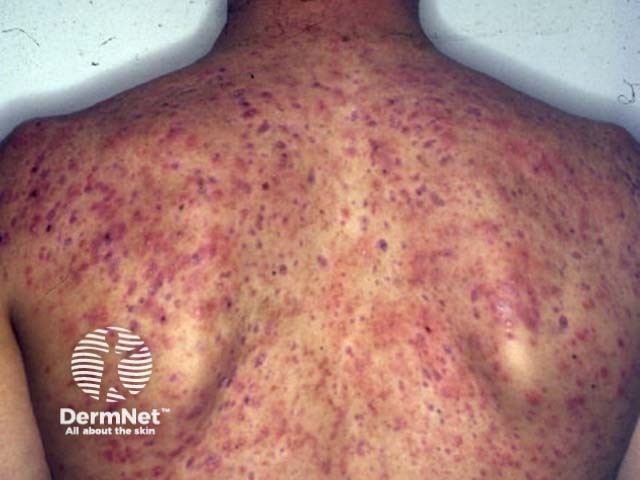
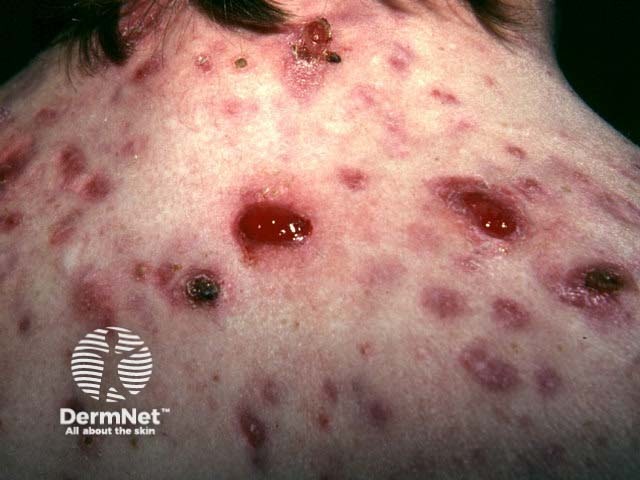
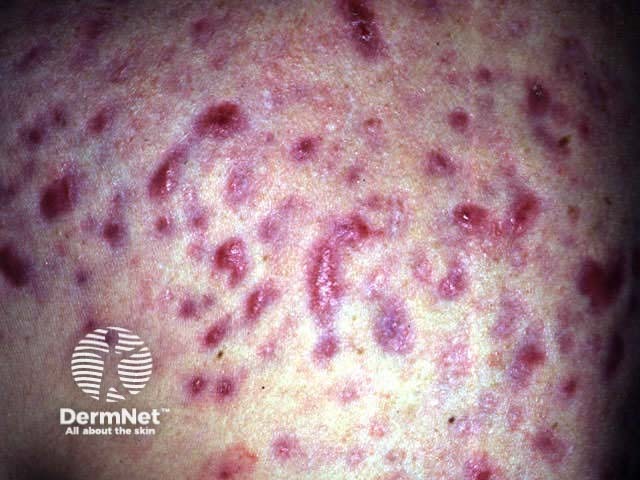
Patients with acne fulminans should consult a dermatologist urgently. Management can prove difficult, and several medications are usually required. These may include:
Topical acne medications are unhelpful.
Hidradenitis is another form of follicular occlusion syndrome that affects axillae and groins primarily, with submammary and buttock areas involved in some cases. The role of inflamed apocrine glands is uncertain. The result is tender nodules, fluctuant cysts, discharging abscesses, sinuses and scarring. It is associated with nodulocystic acne and pilonidal sinus.
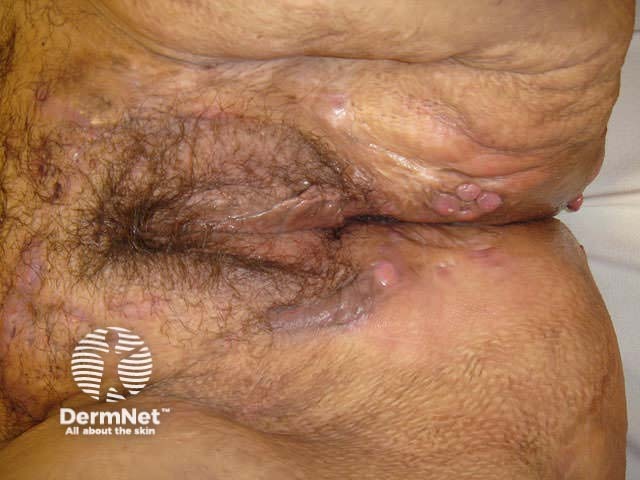
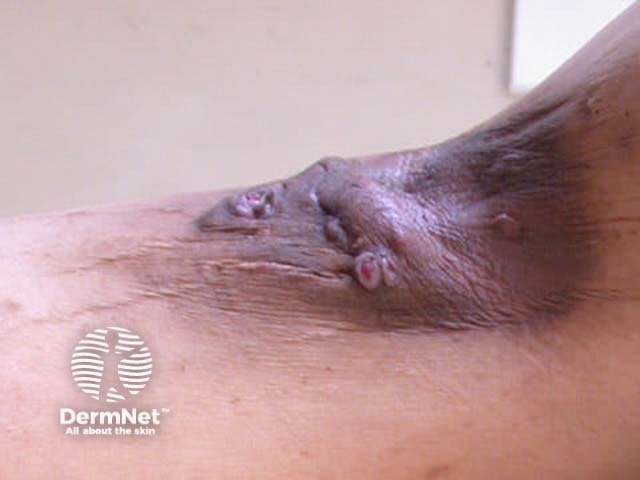
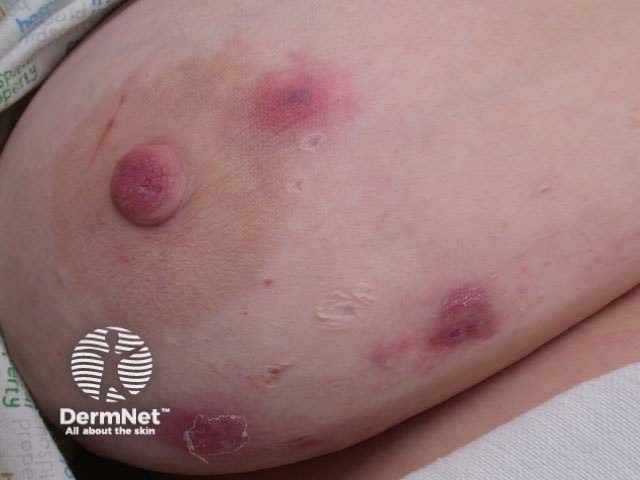
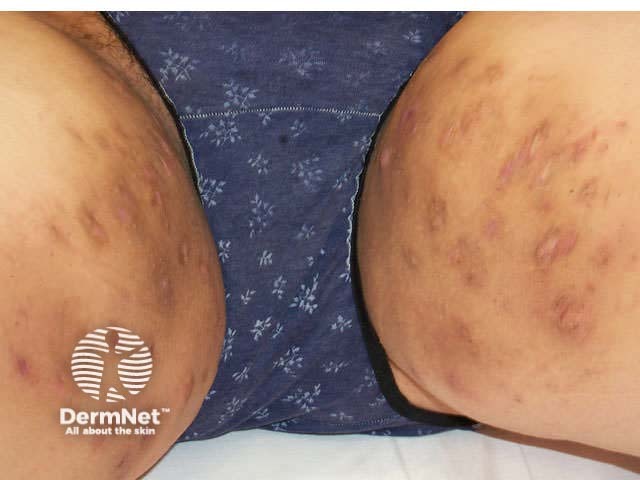
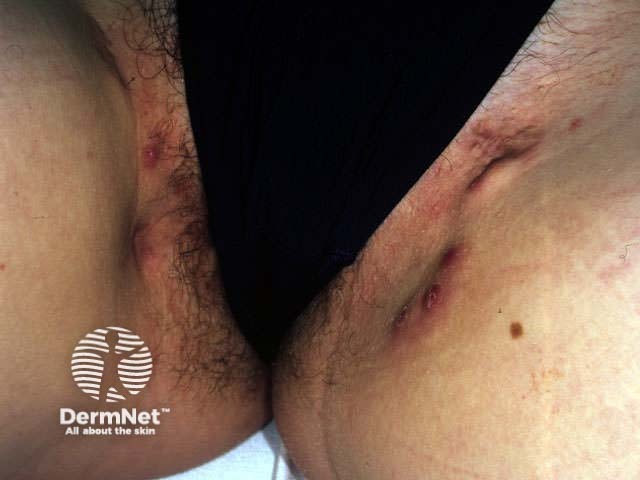
Hidradenitis is fairly resistant to treatment. Currently, 3-month courses of clindamycin and rifampicin are favoured (require specialist approval for Drug Tariff subsidy in New Zealand). The following may also be beneficial:
Discuss the use of contraceptive agents for acne patients taking isotretinoin.
Information for patients
See the DermNet bookstore