Introduction
Ideal wound dressing
Classification
Wound types and dressings
Adverse effects
Synthetic wound dressings originally consisted of two types; gauze-based dressings and paste bandages such as zinc paste bandages. In the mid-1980s the first modern wound dressings were introduced which delivered important characteristics of an ideal wound dressing: moisture keeping and absorbing (e.g. polyurethane foams, hydrocolloids) and moisture keeping and antibacterial (e.g. iodine-containing gels).
During the mid 1990s, synthetic wound dressings expanded into the following groups of products:


No single dressing is suitable for all types of wounds. Often a number of different types of dressings will be used during the healing process of a single wound. Dressings should perform one or more of the following functions:
Synthetic wound dressings can be broadly categorized into the following types.
Type |
Properties |
||
|---|---|---|---|
Passive products |
Traditional dressings that provide cover over the wound, eg gauze and tulle dressings |
||
Interactive products |
Polymeric films and forms which are mostly transparent, permeable to water vapour and oxygen, non-permeable to bacteria, eg hyaluronic acid, hydrogels, foam dressings |
||
Bioactive products |
Dressings which deliver substances active in wound healing, eg hydrocolloids, alginates, collagens, chitosan, keratin |
||
The following table describes some of the many different types of wound dressings and their main properties.
Dressing type |
Properties |
Image |
|||||||
|---|---|---|---|---|---|---|---|---|---|
Gauze |
|
 |
|||||||
Tulle |
|
 |
|||||||
Semipermeable film |
|
 |
|||||||
Hydrocolloids |
|
 |
|||||||
Hydrogels |
|
 |
|||||||
Alginates |
|
 |
|||||||
Polyurethane or silicone foams |
|
 |
|||||||
Hydrofibre |
|
 |
|||||||
Collagens |
|
||||||||
Different types of wounds and the different stages of a healing wound require different dressings or combinations of dressings. The following table shows suitable dressings for particular wound types.
Image |
Wound type |
Dressing type |
||||
|---|---|---|---|---|---|---|
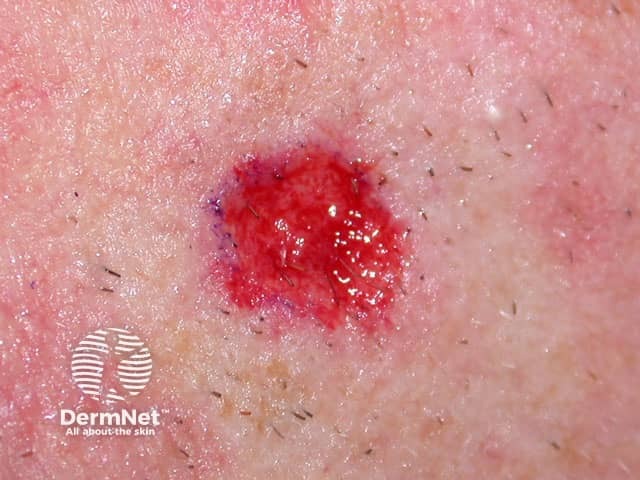 |
Clean, medium-to-high exudate (epithelialising) |
|
||||
 |
Clean, dry, low exudate (epithelialising) |
|
||||
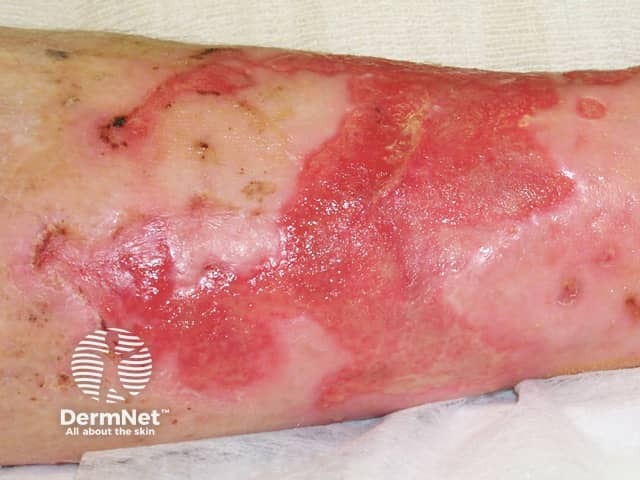 |
Clean, exudating (granulating) |
|
||||
 |
Slough-covered |
|
||||
 |
Dry, necrotic |
|
||||
The dressings may require secondary dressings such as absorbent pad and bandages.
Wound dressings can cause problems, including: