Introduction
Causes
Clinical features
Complications
Diagnosis
Differential diagnoses
Treatment
Menopause is the permanent cessation of menstrual periods and is defined as the absence of menstrual periods for 12 consecutive months. The median age of menopause is 51 years, however some women may experience menopause before the age of 40 years, which is defined as ‘premature menopause’.
Perimenopause refers to the time period typically lasting 2 to 8 years before menopause, characterised by hormonal fluctuations and changes in menstrual cycles. Other terms for perimenopause are menopausal transition and climacteric period.
Menopause occurs when there is complete, or near complete loss of ovarian follicles, resulting in low oestrogen and high follicle stimulating hormone (FSH) levels in the blood. Factors including genetics, smoking and reproductive history can affect the timing of menopause.
Other causes, particularly of early menopause, include genetic conditions such as Turner syndrome, toxin exposure of the ovaries such as with previous chemotherapy or radiation therapy, or the surgical removal of both ovaries.
Oestrogen affects every organ system of the body including the skin. Oestrogen receptors are most abundant in the genital region, face and lower limbs, and therefore these areas are especially vulnerable to reduced circulating oestrogen and subsequently, certain skin conditions.
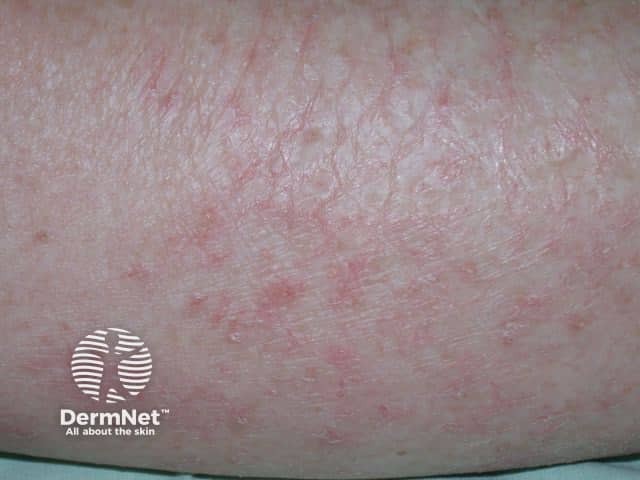
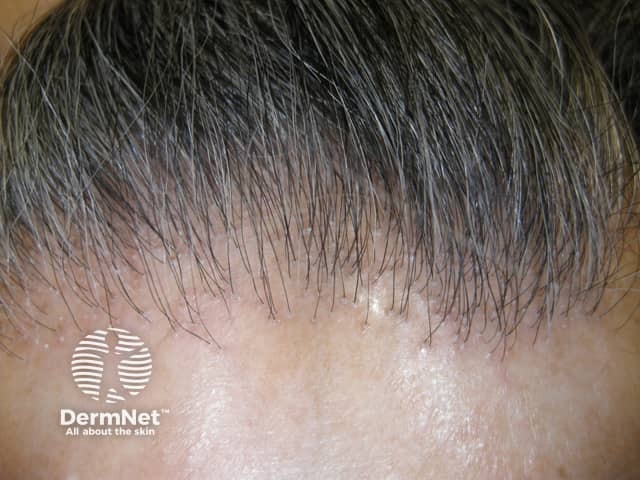
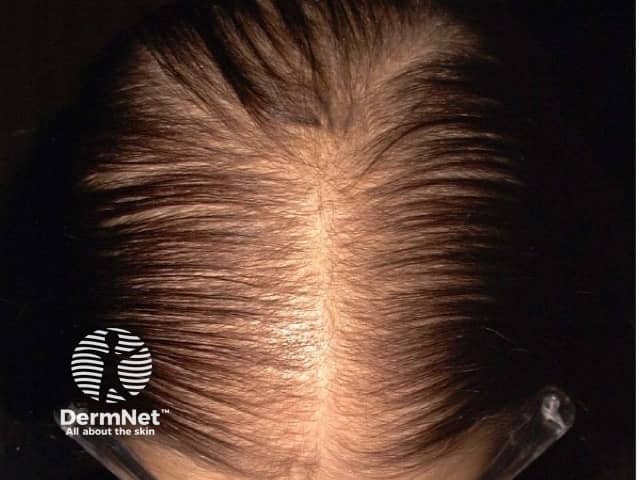
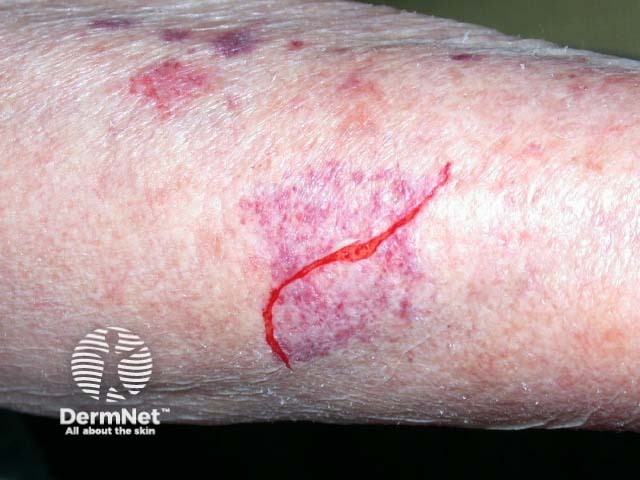
The term genitourinary syndrome, previously known as vulvovaginal atrophy, of menopause describes:
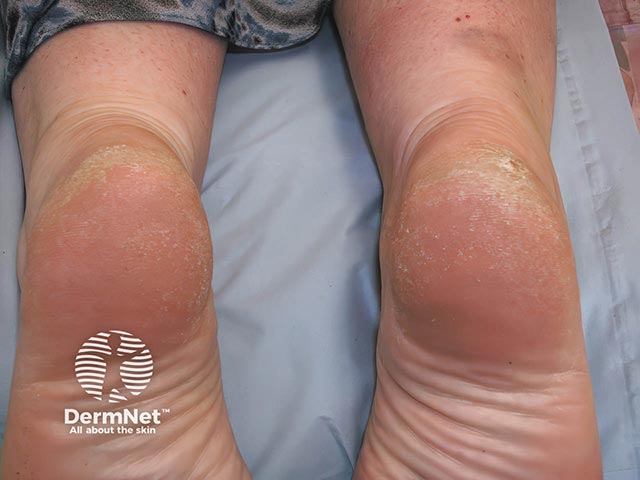
The various symptoms and signs of perimenopause and menopause can lead to significant psychosocial impact on self-esteem, relationships, day-to-day function and work.
Long term consequences of oestrogen deficiency of menopause also include:
The diagnosis of menopause or perimenopause in women over the age of 40 years is made based on menstrual cycle changes, with or without menopausal symptoms. Women aged between 40 and 45 years will require blood tests including serum hCG, prolactin, and TSH to exclude non-menopausal causes of changes to the menstrual cycle.
Women above the age of 45 years old do not require laboratory tests to make a diagnosis.
In women under the age of 40 years old, changes in the intermenstrual interval and the presence of menopausal symptoms is diagnosed as premature ovarian failure and this requires further investigation.
The differential diagnosis for irregular or absent menstrual periods include:
The skin changes seen in the menopause may accelerate normal chronological ageing.
Itch may be compounded by iron deficiency and hypothyroidism.
Individualised treatment for dermatological peri- and postmenopausal symptoms include Menopause Hormone Therapy (MHT).
Topical oestrogen cream can help with vaginal symptoms and prevent recurrent urinary tract infections.
Systemic MHT or hormone replacement therapy (HRT) describes oestrogen therapy with or without progestin, and is the most effective treatment for vasomotor and genitourinary syndrome.