Introduction
Demographics
Causes
Clinical features
Variation in skin types
Complications
Diagnosis
Differential diagnosis
Treatment
Prevention
Outcome
Björnstad syndrome is a rare genetic disorder characterised by the hallmark features of pili torti (twisted hair) and congenital sensorineural hearing loss.
This condition is also referred to as deafness-pili torti-hypogonadism syndrome.
Björnstad syndrome is an inherited condition that typically follows an autosomal recessive inheritance pattern, although autosomal dominant cases have also been reported. The condition is extremely rare — there are fewer than 50 cases reported globally, and the estimated incidence is less than 1 in 1,000,000. It does not appear to show any gender or racial predilection.
First described in 1965, Björnstad syndrome arises from mutations in the BCS1L gene located on chromosome 2q34-36. This gene is essential for the function of the mitochondrial electron transport chain, particularly in the assembly of complex III. Dysfunction leads to the accumulation of reactive oxygen species (ROS), which damage sensitive hair follicles and inner ear cells.
Mutations of the BCS1L gene can also cause GRACILE syndrome and complex III deficiency, both of which are severe, multisystem, autosomal recessive disorders.
The two defining features of Björnstad syndrome are pili torti and sensorineural hearing loss, and they are usually evident by 2 years of age.
Cutaneous features
Non-cutaneous features
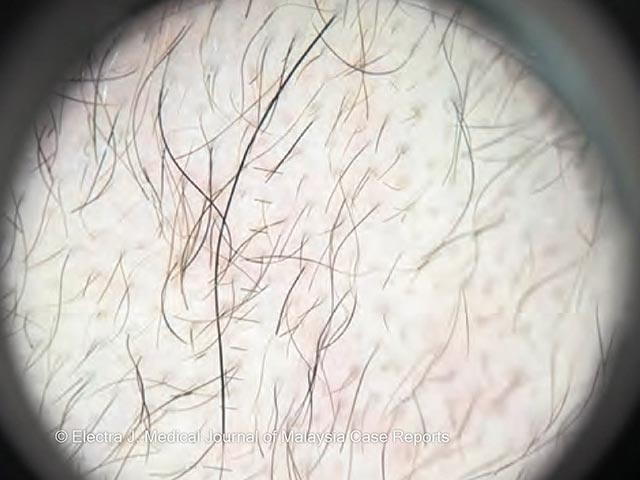

In individuals with darker Fitzpatrick skin types, the brittle nature of pili torti may be less visually apparent but still identifiable upon closer examination.
Björnstad syndrome is diagnosed based on clinical findings of pili torti and sensorineural hearing loss. Molecular genetic testing confirms BCS1L mutations. Supporting tests include:
There is no cure for Björnstad syndrome, and management is centred on supportive and symptomatic treatment.
Measures include:
Björnstad syndrome is a genetic condition for which there is no known prevention. Genetic screening and counselling may help families assess risk factors and make an informed decision regarding family planning.
Björnstad syndrome entails a variable prognosis based on early detection and intervention. Management of hearing loss significantly improves development and quality of life. Hair abnormalities persist, though they can be managed with cosmetic solutions.