Introduction
Uses
Contraindications and precautions
More information
Dosage
Benefits
Side effects and risks
Valaciclovir is an oral antiviral drug that belongs to the class of nucleoside analogue DNA polymerase inhibitors.
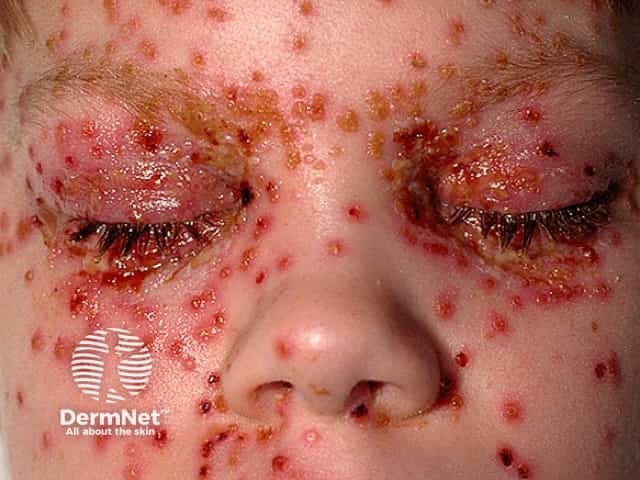
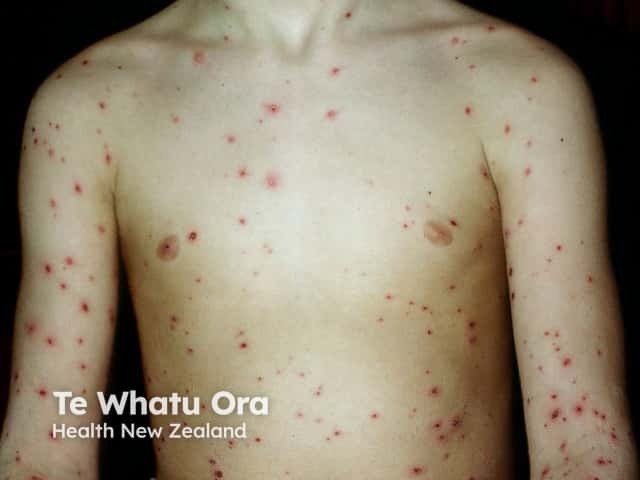
Valaciclovir is commonly approved for use in the treatment and prevention of infections caused by herpes simplex virus and varicella zoster virus (which causes chickenpox and shingles).
Adult patients:
Pediatric patients:
While not FDA-approved, valaciclovir is approved in several other regions (eg, UK, EU, Australia, and NZ) for the prophylaxis of cytomegalovirus (CMV) infection and disease following solid organ transplantation in adults and adolescents aged 12 years or older.
Contraindications:
Valaciclovir is contraindicated in patients with a known hypersensitivity to valaciclovir, aciclovir, or any component of the drug formulation.
Precautions:
Valaciclovir is a prodrug of aciclovir and inhibits DNA replication in herpes simplex virus types 1 and 2 (HSV-1 and HSV-2) and varicella-zoster virus (VZV).
Following oral administration, valaciclovir is rapidly metabolised to aciclovir and L-valine by first-pass metabolism in the gastrointestinal tract and liver. Intracellularly, aciclovir is first converted to aciclovir monophosphate by a virus-encoded enzyme called thymidine kinase, making aciclovir activity specific to virus-infected cells.
Aciclovir monophosphate is then converted by cellular enzymes to its active form, aciclovir triphosphate, which acts as a competitive inhibitor of viral DNA polymerase. By inhibiting viral DNA polymerase, further viral replication is halted, thereby reducing the length and severity of outbreaks.
Aciclovir is eliminated by renal clearance and, therefore, dose reductions of valaciclovir are required in patients with renal impairment.
Typical dosing recommendations for valaciclovir depend on the indication. Dose adjustments are needed for individuals with renal impairment or who are immunocompromised.
Genital herpes
Herpes labialis (cold sores)
2 g twice daily for 1 day, administered at the earliest symptom eg, tingling, burning, or itching
Herpes zoster (shingles)
1 g three times daily for 7 days, administered at the earliest sign/symptom
CMV prophylaxis after solid organ transplantation
2 g four times a day for 90 days
Varicella (chickenpox)
20 mg/kg (up to 1 g) three times daily for 5–7 days in children aged 2–18 years
Common side effects:
Uncommon but serious adverse effects:
Approved datasheets are the official source of information for medicines, including approved uses, doses, and safety information. Check the individual datasheet in your country for information about medicines.
We suggest you refer to your national drug approval agency such as the Australian Therapeutic Goods Administration (TGA), US Food and Drug Administration (FDA), UK Medicines and Healthcare products regulatory agency (MHRA) / emc, and NZ Medsafe, or a national or state-approved formulary eg, the New Zealand Formulary (NZF) and New Zealand Formulary for Children (NZFC) and the British National Formulary (BNF) and British National Formulary for Children (BNFC).