Granulomatous mastitis is a rare, benign, and often chronic inflammatory breast disease of unknown origin. This condition can mimic breast cancer and be challenging to diagnose.
It is also known as idiopathic granulomatous mastitis.
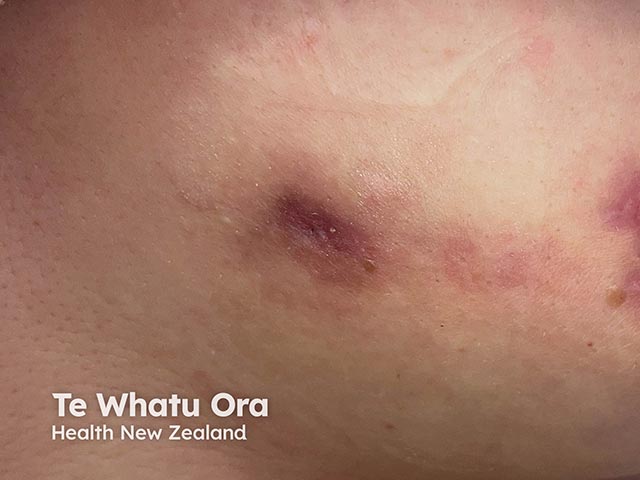
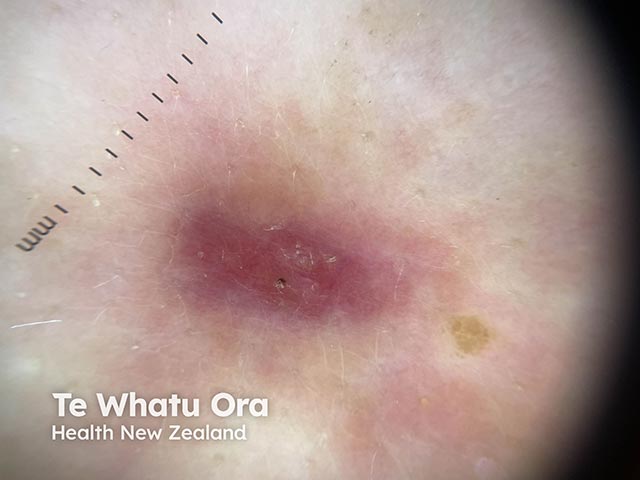
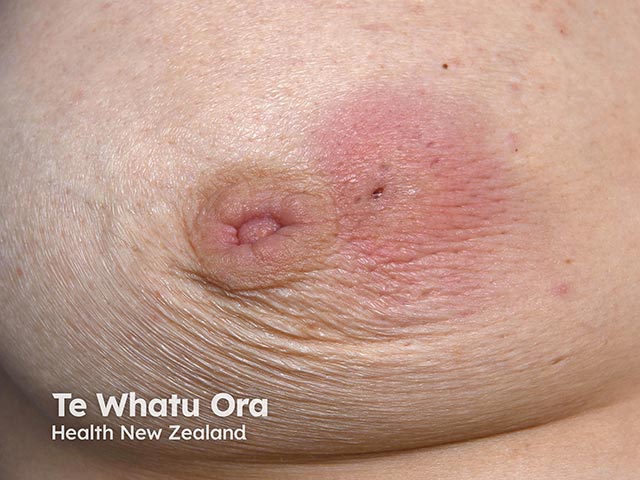

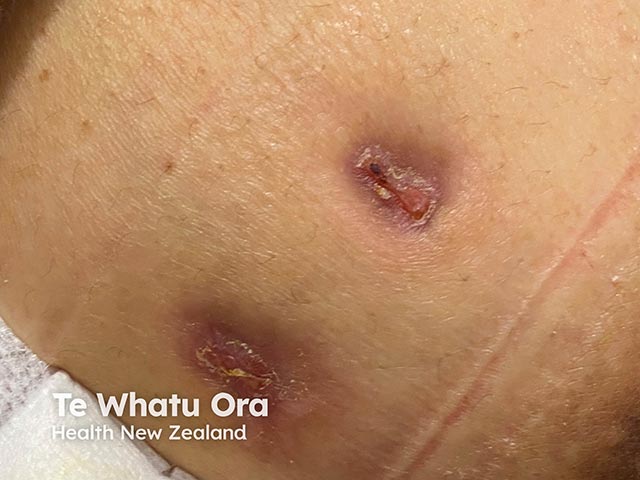
Granulomatous mastitis typically affects women of childbearing age, with a median age of around 35 years. There have also been reports in young and older women, as well as men. It is rare among European ethnicities and is reportedly more common among those of Asian, Hispanic, and Middle Eastern descent.
The precise cause of granulomatous mastitis is unknown. Risk factors include:
Corynebacterium kroppenstedtii is frequently cultured from tissue specimens and may be linked to the condition. However, there is no conclusive evidence that antibiotic treatment of Corynebacterium cures the disease.
Granulomatous mastitis typically presents unilaterally as a large, firm, tender lump in the breast that develops over weeks to months. There may be multiple masses affecting one or more breast quadrants, usually sparing the central breast. There is often erythema, ulceration, and abscess formation.
Other features may include:
Rare associations:
Fever is typically absent, and the mass may be painless in the initial stages.
The diagnostic approach to granulomatous mastitis involves breast imaging followed by biopsy.
There are no standardised guidelines for managing granulomatous mastitis. Treatment depends on severity and the presence of complications. A conservative approach may be appropriate for some, as this condition often self-resolves over time.
Interventions may include:
Recurrence may occur upon reduction or cessation of medication.
Granulomatous mastitis self-resolves within two years in approximately half of cases, typically healing with scarring. However, recurrence is common and associated with greater initial disease severity.
There is no known association between granulomatous mastitis and future breast cancer risk.