Introduction
Demographics
Causes
Clinical features
Complications
Diagnosis
Differential diagnosis
Treatment
Prevention
Outcome
Human polyomaviruses (HPyVs) are DNA viruses that establish lifelong latency in the body following a typically asymptomatic primary infection.
In immunocompetent individuals, both the primary and persistent infections are clinically silent and not associated with adverse effects. However, HPyVs can reactivate in immunocompromised states and cause disease.
Out of 14 recognised HPyV species, four have established causal links to disease:
JC virus and BK virus are the most studied human polyomavirus species.
Human polyomavirus infections are highly prevalent, with adult seroprevalence estimated at 50-90% depending on the species. BK virus is commonly acquired in early childhood, and primary infection for JC virus mainly occurs in childhood or adolescence.
Diseases associated with HPyV predominantly occur in specific immunocompromised cohorts, such as seen with:
Human polyomaviruses are small, non-enveloped DNA viruses of the Polyomaviridae family that are transmitted human-to-human. Routes of transmission appear to vary with species, with evidence for spread via oral, respiratory, and faecal-oral routes, as well as direct skin contact.
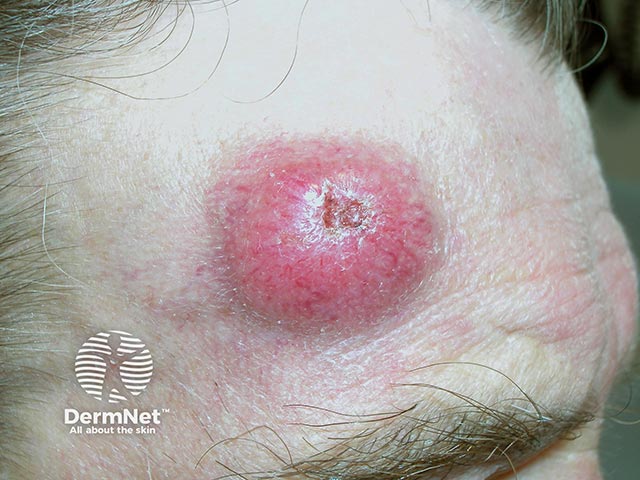
In clinical practice, human polyomavirus infection is diagnosed by:
Other HPyV detection methods include:
There are no known effective antiviral agents against human polyomaviruses. Treatment for HPyV-associated disease centres on:
See pages on Merkel cell carcinoma and trichodysplasia spinulosa for details on their treatment.
There is no way to prevent human polyomavirus infections. The risk of certain HPyV-associated diseases can be mitigated by monitoring viral load and making cautious dose reductions of immunosuppressive agents.
Human polyomavirus infections are largely harmless in immunocompetent individuals, but in immunocompromised patients can cause disease associated with significant morbidity and mortality.
Prognosis depends on the HPyV-associated disease: