Introduction
Understanding homelessness
Risk factors
Identification
Prevention
Associated skin disorders
People experiencing homelessness (PEH) are individuals who lack the legal right to occupy any accommodation or whose accommodation is unsuitable for habitation.
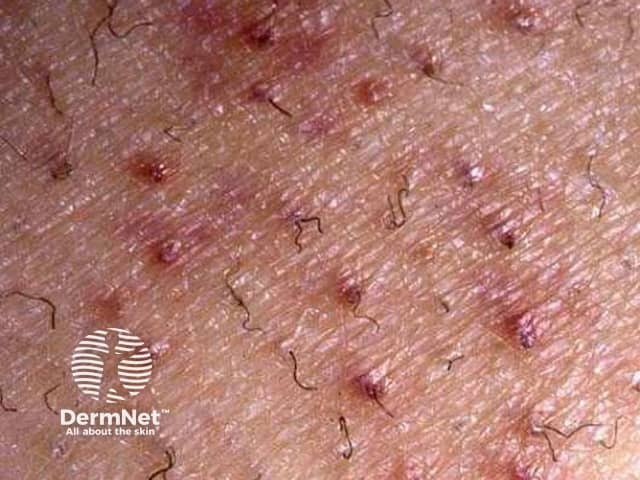
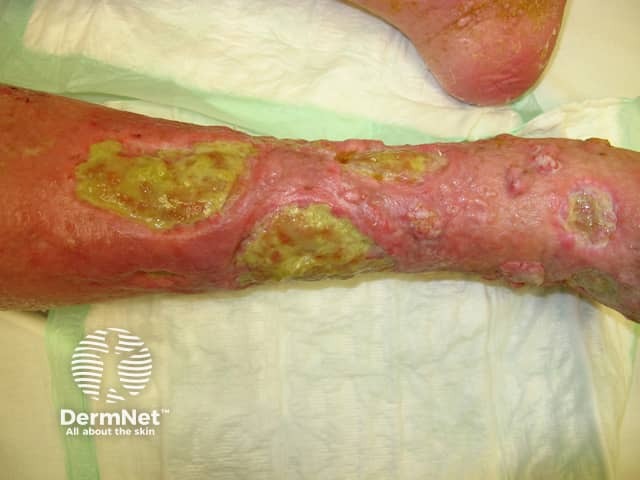
Skin disease disproportionately affects PEH, in particular: ectoparasitic infestations, cutaneous infections, and skin cancer.
Though data is limited, one study in the United States found that the prevalence of dermatoses such as eczema, psoriasis, and seborrheic dermatitis in a shelter-based population was similar to that of the general population.
There are four types of homelessness:
1. Rough sleeping (‘street homeless’)
Unsheltered individuals residing in places not intended for habitation eg, doorways, cars, parks, abandoned buildings, and transportation stations.
2. Temporary accommodation (‘shelter homeless’)
Residents of designated facilities, including emergency shelters, women’s refuges, or provisional accommodations.
3. Statutory homelessness
Individuals or households recognised by local authorities as being in priority need of assistance due to a current or imminent lack of accommodation.
4. Hidden homelessness
The largest group, comprising individuals whose homelessness is not visible or captured in statistics. This includes people ‘sofa surfing’ with friends or relatives, squatters, and those in severely overcrowded households.
Multiple factors increase the risk of skin disease among PEH, including:
A regular full skin examination should be performed by a healthcare professional, with special attention given to the feet.
Bacterial
Viral
Cutaneous warts


Some studies have demonstrated a higher prevalence of precancerous and malignant lesions among PEH.